Carbon vs Ceramic Infrared Sauna Heaters | Good Health Saunas

Carbon vs Ceramic Infrared Saunas

How Do Carbon and Ceramic Infrared Sauna Heaters Compare?

Carbon and ceramic infrared sauna heaters both produce radiant heat, but each delivers warmth differently. Carbon panels spread lower-intensity heat across a wider surface area, while ceramic elements produce stronger, more concentrated heat from a smaller area. Infrared saunas also operate at lower cabin temperatures than traditional saunas because infrared energy warms the body more directly instead of relying primarily on heated air.

Neither heater type is automatically better for every sauna user. Carbon panels are commonly chosen for even, full-body warmth, while ceramic elements can provide focused heat near specific areas of the body. A well-designed sauna can combine both technologies to balance comfort, coverage and heating performance.

Carbon vs Ceramic Infrared Heater Performance

The best heater design depends on how the elements are positioned and how evenly the sauna distributes heat throughout the cabin. Key differences include:

  • Heat Distribution

    Carbon panels cover more surface area and produce broad, consistent warmth. Ceramic elements radiate more concentrated heat.

  • Surface Temperature

    Carbon heaters generally operate at lower surface temperatures, while ceramic rods become hotter during use.

  • Warm-Up Performance

    Ceramic elements can begin radiating strong heat quickly. Carbon panels gradually create even warmth across a wider area.

  • Heater Placement

    Carbon panels work well along walls and beneath benches. Ceramic heaters can be positioned near areas where more focused warmth is preferred.

  • Session Comfort

    Broad carbon heating can reduce noticeable hot and cold spots, while ceramic heat can add intensity where users want it most.

Cabin construction, heater coverage, electrical power and control settings also affect the experience. Heater material alone does not determine overall sauna quality.

Which Infrared Sauna Heater Is Best for Health?

No heater material can guarantee better health outcomes on its own. Research into infrared sauna use remains limited, and many widely promoted wellness claims need more clinical study. While infrared heat may offer a more tolerable experience for people who prefer lower cabin temperatures, users should still follow recommended session times, stay hydrated and speak with a medical professional when health conditions could affect heat tolerance.

Health Benefits of Carbon and Ceramic Infrared Heaters

Carbon and ceramic heaters can both contribute to a relaxing infrared sauna session:

  • Carbon panels provide broad heat coverage across the body
  • Lower-intensity carbon heat can feel comfortable during longer sessions
  • Ceramic elements offer stronger, targeted warmth
  • Focused ceramic heat can feel soothing around the back, shoulders and legs
  • A combined heating system can reduce cold spots while preserving concentrated heat

The safest and most comfortable option is a properly designed sauna with balanced heater placement, responsive controls and clear operating instructions.

Carbon vs Ceramic Heater Energy Efficiency

Carbon heaters are often considered more energy efficient because their larger surface area distributes heat without requiring extremely high element temperatures. Even coverage also reduces the need to compensate for colder areas inside the cabin. Ceramic elements reach higher temperatures across a smaller surface. They can deliver noticeable heat quickly, but a ceramic-only sauna may require more careful heater placement to maintain consistent warmth. Several factors influence real-world energy use:

  • Sauna size
  • Number and placement of heaters
  • Electrical requirements
  • Target temperature
  • Preheating time
  • Session length
  • Cabin insulation and construction

When comparing energy performance, review the complete sauna’s electrical specifications rather than judging efficiency by heater material alone.

Carbon and Ceramic Infrared Heater Pros and Cons

Carbon Infrared Heater

Advantages

  • Broad, even heat distribution
  • Lower surface temperatures
  • Fewer noticeable hot spots
  • Large heating coverage
  • Comfortable full-body warmth

Limitations

  • Less concentrated heat
  • Higher initial manufacturing cost
  • Performance depends heavily on panel quality and placement

Ceramic Infrared Heater

Advantages

  • Strong, focused radiant heat
  • Fast heat response
  • Lower initial cost in many sauna designs
  • Useful for targeted placement near major muscle groups

Limitations

  • Smaller heating surface
  • Greater potential for hot spots
  • More thermal stress from repeated high-temperature use
  • Uneven coverage when too few elements are installed

Why Good Health Saunas Uses Carbon and Ceramic Heaters Together

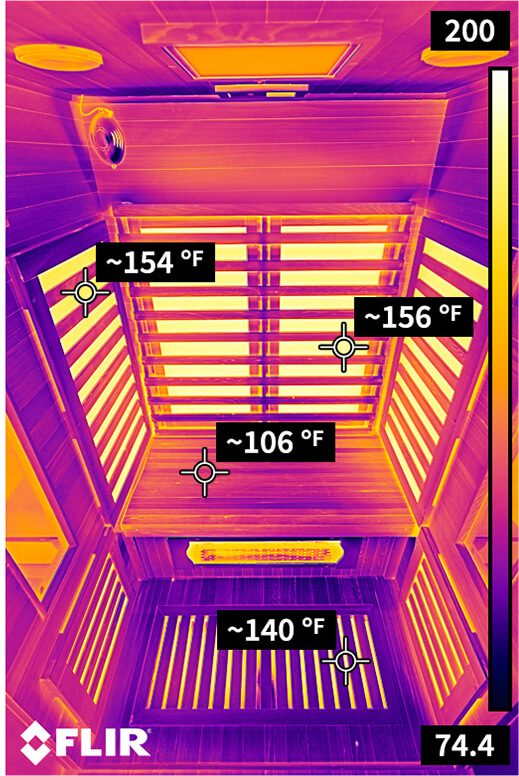
Good Health Saunas combines carbon panels with high-end ceramic heaters instead of limiting each cabin to one heating material. The carbon panels spread warmth throughout the sauna, while ceramic elements add more concentrated heat near key areas of the body. This combination gives users the broad coverage associated with carbon heaters and the focused intensity of ceramic technology. Balanced heater placement also creates a more consistent experience from the upper body to the feet.

How HybridHeat Technology Works

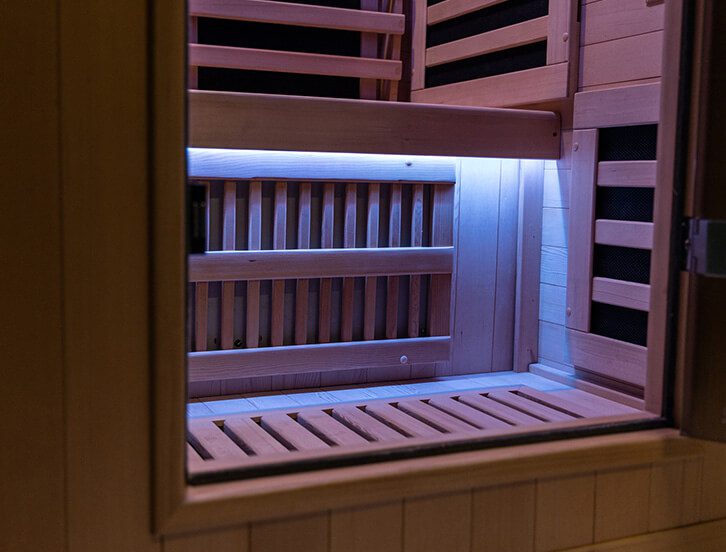
Good Health Saunas’ HybridHeat system positions carbon and ceramic heating elements throughout the cabin. Carbon panels provide wide infrared coverage, while ceramic elements deliver targeted warmth without requiring users to sit directly beside one primary heat source. HybridHeat models also include floor-level heating for more complete cabin coverage. Users can enjoy radiant heat across the front, back, sides and lower body during each session.

Balanced Full-Body and Targeted Heating

A combined heating system avoids forcing shoppers to choose between broad carbon coverage and focused ceramic heat. Users receive:

  • Consistent warmth throughout the cabin
  • Concentrated heat near commonly targeted muscle groups
  • Fewer cold areas around the legs and feet
  • Comfortable infrared heat at lower cabin temperatures
  • More complete coverage during seated sessions

Comparing Infrared Sauna Models

When comparing saunas, consider heater coverage, cabin capacity, electrical requirements, third-party testing and warranty protection. Good Health Saunas offers one-person, two-person, three-person, four-person and corner models with carbon and high-end ceramic heating technology.

Contact Good Health Saunas for more information or schedule your free consultation.

Contact Us

Good Health Saunas Events Near You

All Events

Get the Latest on Events & Exclusive Offers

  • This field is for validation purposes and should be left unchanged.